Great Cornard gardener services for small cottage gardens
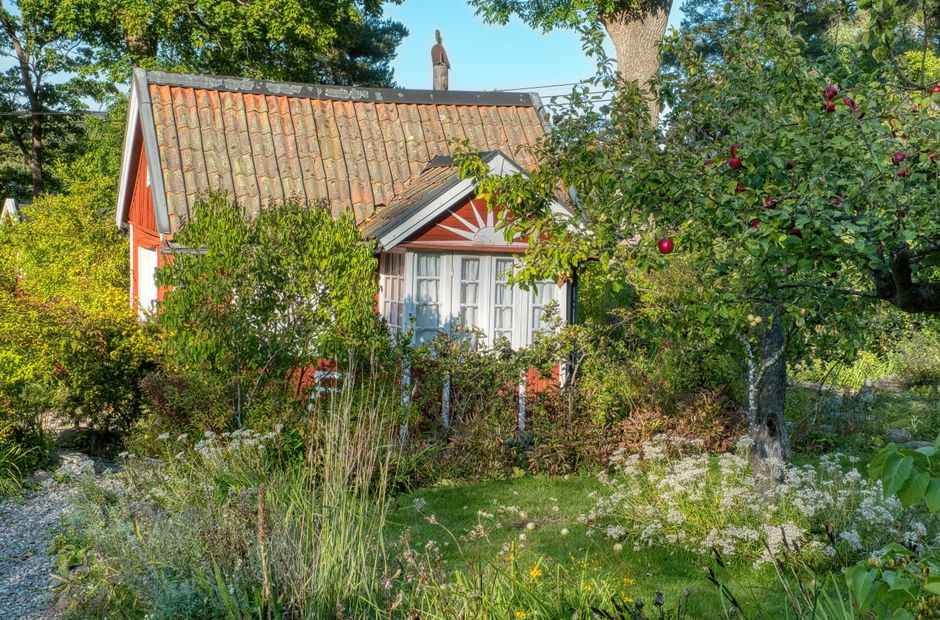
Small cottage gardens can be beautiful, but they are rarely low-effort. Borders spill over, paths disappear under growth, and one wet week can make everything look a bit tired. That is where Great Cornard gardener services for small cottage gardens really earn their keep: careful pruning, tidy lawn care, thoughtful planting, and regular maintenance that respects the character of a compact, lived-in garden. In a small space, every decision shows. Every cut counts. And truth be told, that is part of the charm.
If you are looking after a cottage-style plot in Great Cornard, you probably want a garden that feels full and welcoming without becoming unruly. You want colour, scent, structure, and a bit of breathing room. This guide explains what those services involve, how they work, what to expect, and how to choose the right approach for a smaller garden that needs balance rather than a complete overhaul.
Contents
- Why Great Cornard gardener services for small cottage gardens Matters
- How Great Cornard gardener services for small cottage gardens Works
- Key Benefits and Practical Advantages
- Who This Is For and When It Makes Sense
- Step-by-Step Guidance
- Expert Tips for Better Results
- Common Mistakes to Avoid
- Tools, Resources and Recommendations
- Law, Compliance, Standards, or Best Practice
- Options, Methods, or Comparison Table
- Case Study or Real-World Example
- Practical Checklist
- Conclusion
- Frequently Asked Questions
Why Great Cornard gardener services for small cottage gardens Matters
Cottage gardens are not meant to look sterile. They should feel soft, layered, and a little romantic, with plants weaving together in a way that looks natural. But on a small plot, that style can tip over into clutter surprisingly fast. A narrow path becomes awkward. A border blocks light. A hedge starts swallowing the front window. You know the look.
In Great Cornard, where many homes have compact gardens or tucked-away rear spaces, the challenge is often about control without losing personality. A skilled gardener understands how to keep that balance. They do not just "tidy up"; they shape the garden so it still feels like a cottage garden, only easier to live with.
This matters because small gardens magnify mistakes. A pruning error is more obvious. An overgrown shrub eats proportion quickly. Even lawn problems show up faster in a smaller space. A good service can protect the garden's character while stopping it from becoming hard work every weekend.
Expert summary: In a small cottage garden, the best gardening work is often the work you do not notice immediately. The space feels calmer, lighter, and more usable, but it still looks like a garden with heart.
If you are comparing options, a broad services overview is a sensible place to start, because small cottage gardens often need more than one type of help: edging, cutting back, seasonal tidy-ups, and sometimes light landscaping.
How Great Cornard gardener services for small cottage gardens Works
Most good garden services begin with a walk-through. That sounds obvious, but it is important. A small cottage garden needs context. The gardener looks at sun and shade, access, drainage, existing planting, and how you actually use the space. Is there room for kids to play? Do you sit outside in the evening? Is there a narrow side passage that turns into a mossy slipway every winter? These details shape the work.
From there, the gardener usually breaks the job into manageable tasks. In a small garden, this often means prioritising what has the biggest visual and practical impact:
- cutting back overgrowth that makes the garden feel smaller
- lifting and shaping shrubs so light can reach borders
- keeping paths clear and safe
- maintaining the lawn or ground cover so it does not dominate
- refreshing the edges, because neat edges make a small garden feel instantly cared for
Sometimes the work is regular maintenance. Sometimes it is a seasonal reset after months of growth. And sometimes it is more design-led, especially if a cottage garden needs rethinking around seating, access, or planting flow. If that is the case, landscape gardening or broader landscaping may be part of the answer rather than just routine maintenance.
In practical terms, the service is built around control, continuity, and respect for the garden's style. Not a blunt tidy-up. Nobody wants a cottage garden that suddenly looks like a municipal verge. Let's face it, that would be a bit of a tragedy.
Key Benefits and Practical Advantages
The biggest benefit is simple: a small garden feels bigger when it is managed properly. That can happen through better sightlines, cleaner borders, and planting that is layered rather than congested. But there are several other advantages worth thinking about.
1. Better use of limited space
In a cottage garden, the space between features matters. A well-maintained garden makes room for movement, pots, seating, and focal points without looking empty.
2. Lower long-term effort
Regular care is almost always easier than emergency catch-up work. A little pruning now can save a huge amount of chopping later. Small spaces are unforgiving that way.
3. More light and air circulation
Overcrowded planting can look lush, but it can also trap dampness. Opening things up slightly helps plants breathe and can reduce that heavy, soggy feeling after a rainy spell.
4. Better first impressions
If the front garden is small, it can strongly influence how the whole property feels. A neatly kept cottage border or trimmed hedge can make the home look loved before anyone even reaches the door.
5. More plant health
Pruning at the right time, managing weeds, and adjusting watering habits all support healthier growth. That is especially useful in compact gardens where root systems and plant spacing are tighter.
For some homes, the benefit is also practical safety. Clear paths, tidy steps, and careful shrub management reduce the chance of trips or snagging. If the work includes heavier cutting or tricky access, it helps to use a provider that takes safety seriously, as set out on pages like health and safety policy and insurance and safety.
Who This Is For and When It Makes Sense
These services are a good fit for a few different types of homeowner. You may recognise yourself in one of these situations.
- You love the cottage-garden look, but the planting is getting too dense and untidy.
- You have limited time, and the garden is drifting from charming to chaotic.
- You have just moved in, and the plot needs a proper first reset.
- You are preparing to sell or let the property, and the outside space needs to look cared for.
- You struggle with physical tasks, especially regular cutting, lifting, or clearing.
- You want a clearer design, but you do not want a full redesign.
It also makes sense if your garden contains a mix of features that need different approaches. A small lawn may need light, frequent attention via lawn mowing, while hedges and boundary shrubs might need seasonal shaping through hedge trimming. A cottage garden often needs both, plus a bit of patience.
If the space has become cluttered with cuttings, pots, dead growth, or old features that you no longer use, a garden clearance visit can make a huge difference. Sometimes you need a clean slate before the delicate work begins.
Step-by-Step Guidance
If you are hiring a gardener for a small cottage garden, it helps to know how the process usually unfolds. Here is a sensible sequence.
- Assess the garden honestly. Note what feels cramped, what looks tired, and which areas are actually working well.
- Set your priorities. Do you want more space, better flowering, lower maintenance, or simply less mess?
- Ask for a site visit or clear discussion. Small gardens are too easy to misjudge from a photo alone.
- Agree the scope. Be specific about hedges, lawns, borders, pruning, weeding, and waste removal.
- Choose the rhythm. Some gardens need fortnightly care in the growing season; others benefit from monthly maintenance plus seasonal visits.
- Start with structural work. Remove what is blocking the garden's shape before worrying about finishing touches.
- Refine the planting. Once the bones are right, the flowers and texture make far more impact.
- Review after a few weeks. A cottage garden often needs a second look once you see how it behaves after trimming and regrowth.
That last step is underrated. A garden can look one way on the day of the cut and another way three weeks later. In fact, that is often where the real judgement comes in. You need to see the rhythm of the space, not just the tidy version.
Expert Tips for Better Results
These are the little decisions that often separate a decent result from a really good one.
Keep some structure, even in a soft garden. Cottage gardens are meant to feel abundant, but they still need anchors. A small hedge, a clipped shrub, or a neat path edge can stop the space from floating away visually.
Do not cut everything back at once. It is tempting, especially when the garden feels out of hand. But in a small space, heavy-handed cutting can strip away charm. Better to reduce in stages when possible.
Think in layers. In a cottage garden, height, middle planting, and ground level all matter. If one layer disappears, the garden can suddenly feel flat.
Keep access in mind. A garden can look lovely and still be awkward to move through. Narrow gates, tight turns, and planted-over paths need practical handling.
Respect seasonal growth. A small garden may need more frequent attention in spring and early summer, then lighter touch-ups later. One of the odd things about cottage gardens is that they seem to grow while you are looking at them. Slightly rude, really.
Use the right service for the right job. Maintenance is not the same as redesign. Trimming is not the same as clearance. And pruning is not the same as shaping. A good gardener will explain the difference in plain English.
If the garden includes timber features or worn-out outdoor structures, you may also want to look at decking services where appropriate, but only when that really suits the space. In a small garden, less can often be more.
Common Mistakes to Avoid
Small cottage gardens are easy to get wrong in ways that look minor at first and awkward later. Here are the most common issues.
- Overplanting. Beautiful in theory, cramped in practice.
- Ignoring access paths. If you cannot move through the garden comfortably, the whole space feels smaller.
- Skipping regular maintenance. A little neglect grows fast in a compact plot.
- Cutting hedges too hard. That can leave bare gaps and spoil the soft cottage feel.
- Letting one feature dominate. A huge shrub or rogue climber can throw the balance off.
- Forgetting seasonal clutter. Dead heads, fallen leaves, and faded pots can quietly drag down the look.
- Choosing style over function. Pretty is great. Pretty and usable is better.
A small garden often needs fewer interventions than people think, but those interventions need to be better judged. That is the trick. Not every border needs redesigning. Sometimes it just needs breathing space and a lighter hand.
Tools, Resources and Recommendations
You do not need a shed full of complicated equipment to maintain a small cottage garden well. In fact, the best results often come from simple tools used with care.
| Tool or resource | Best use | Why it helps in a small cottage garden |
|---|---|---|
| Hand secateurs | Light pruning and deadheading | Gives precise cuts without over-shaping delicate planting |
| Shears | Soft hedge and edge shaping | Useful for keeping compact borders neat without harsh lines |
| Small lawn mower | Tight lawns and narrow access | More practical than bulky machines in restricted spaces |
| Wheelbarrow or garden trug | Moving cuttings and debris | Handy when paths are narrow and access is limited |
| Seasonal maintenance plan | Scheduling tasks through the year | Prevents the garden from swinging between messy and bare |
If you want a structured approach, regular garden maintenance is often the most practical route for small cottage gardens. It keeps the work steady rather than dramatic. That is usually the smarter path.
For quote planning, the page on pricing and quotes is useful because it helps set expectations before work starts. That matters in small gardens too, because scope can change quickly if the garden has been left for a season or two.
And if sustainability matters to you, it is worth checking how garden waste and green material are handled. A tidy garden should not create avoidable waste, and responsible disposal is part of the job. The company's approach to recycling and sustainability is a good indicator of how carefully that side is managed.
Law, Compliance, Standards, or Best Practice
For most homeowners, the main concern is not legal complexity. It is whether the gardener works safely, respects boundaries, and follows good practice. Still, there are a few sensible points to keep in mind.
If trees or larger limbs are involved, tree work should be approached carefully and by people who understand the risks. In a small cottage garden, oversized pruning can quickly become unsafe if the wrong method is used. That is where a specialist tree lopping and removal service may be needed, rather than an all-purpose cut.
It is also sensible to expect basic professionalism around site safety, public liability cover where relevant, and proper disposal of waste. These are not flashy extras. They are standard expectations. If a provider cannot explain how they manage safety, access, or waste, that is a signal to pause.
For many gardens, the best practice is straightforward: work with the garden's natural rhythm, avoid unnecessary harshness, and keep the property safe and usable. No drama needed.
Options, Methods, or Comparison Table
Not every small cottage garden needs the same service. Some need a one-off reset. Others need light, ongoing care. Here is a simple comparison to help you decide.
| Service approach | Best for | Strengths | Possible drawback |
|---|---|---|---|
| One-off tidy-up | Overgrown or neglected small gardens | Quick visual improvement, clears the worst of the mess | May not stop regrowth if not followed up |
| Regular maintenance | Gardens that are mostly under control already | Stable, predictable, low-stress | Less transformative if deeper issues exist |
| Seasonal pruning and shaping | Established cottage gardens | Protects form and flowering balance | Needs good timing and judgment |
| Light landscaping support | Spaces needing clearer structure | Improves layout and usability | Can be more involved than simple maintenance |
In many cases, the best answer is a mix. A tidy-up first, then maintenance. Or pruning plus light landscaping. Small gardens often respond best to layered solutions rather than one dramatic fix.
Case Study or Real-World Example
Here is a typical real-world scenario, the kind many homeowners recognise.
A Great Cornard homeowner has a compact cottage garden with a narrow lawn, a mixed border, and a hedge along one side. Over the summer, the border has become floppy and crowded. The path is still there, technically, but only just. The lawn has thinned in places because the overhanging plants have kept it shaded and damp.
The first visit focuses on clearance and structure. Dead growth is removed, the hedge is trimmed back to restore the shape, and the lawn edges are redefined. Nothing flashy. Just good basics. Once the space is opened up, the gardener can see what is worth keeping and what is only taking up room.
On the second pass, the work becomes more refined. The best flowering plants are retained. Some stems are shortened rather than removed completely. The border keeps its fullness, but the garden no longer feels as if it is leaning over you. That subtle change is the whole point.
A few weeks later, the space feels calmer. The owner can see the rear fence again. The light is better. Walking from the back door to the seating area no longer involves sidestepping a tangle of stems. It is still a cottage garden, just one that behaves itself a bit more.
That is the real goal most of the time. Not perfection. Just a garden that works with you instead of against you.
Practical Checklist
Use this checklist before booking or planning work for a small cottage garden.
- Identify the main problem: overgrowth, clutter, weak planting, poor access, or all of the above.
- Decide whether you need a one-off visit or ongoing maintenance.
- Walk the garden and note tight spots, slippery areas, or hidden obstacles.
- List the features you want to keep, such as mature shrubs or established borders.
- Be clear about your preferred look: neat and airy, soft and full, or somewhere in between.
- Ask how waste will be handled and whether clearing is included.
- Check whether hedge work, lawn care, or pruning is needed separately.
- Discuss safety, access, and any awkward corners early.
- Agree a realistic maintenance rhythm for spring, summer, and autumn.
- Review the result after the first visit and fine-tune from there.
Quick takeaway: the best small cottage gardens are usually not the most heavily worked ones. They are the ones that are understood properly, then maintained with a light but consistent hand.
Get a free quote today and see how much you can save.
Conclusion
Great Cornard gardener services for small cottage gardens are about more than keeping things tidy. They are about preserving character, improving usability, and making a small outdoor space feel calm instead of crowded. When the work is done well, you notice it in quiet ways: better light, cleaner edges, easier movement, and a garden that still feels like itself.
That is what makes the difference. Not a drastic makeover. Not overcorrection. Just careful, informed attention that suits the scale of the garden. If you treat a small cottage garden gently but consistently, it tends to give a lot back. A little fragrance on a warm evening. A better view from the kitchen window. A patch of green that feels properly looked after.
And honestly, that is enough sometimes.
Frequently Asked Questions
What do Great Cornard gardener services for small cottage gardens usually include?
They usually cover mowing, edging, hedge trimming, pruning, weeding, border tidying, and general seasonal maintenance. Some gardens also need clearance or light landscaping support if the layout has become awkward.
How often should a small cottage garden be maintained?
It depends on the planting and season, but many small cottage gardens benefit from regular visits during the growing months. A light, consistent schedule is usually better than waiting for everything to become overgrown.
Is a cottage garden harder to maintain than a modern garden?
Often, yes. Cottage gardens have more varied planting and a softer, denser style, so they can need more judgement. The trick is to keep the balance between abundance and control.
Can a gardener make a small garden look bigger?
Yes. Careful pruning, improved sightlines, better edging, and reduced clutter all help a small garden feel more open. Even modest changes can make a surprising difference.
What is the difference between garden maintenance and garden clearance?
Maintenance is ongoing care to keep the garden in good condition. Clearance is more about removing heavy growth, waste, or long-neglected material so the space can be restored and managed properly again.
Do I need landscaping or just basic gardening help?
If the garden mainly needs cutting back and regular care, basic gardening help may be enough. If the layout is awkward, access is poor, or features need redesigning, light landscaping may be the better option.
How do I keep a cottage garden charming without letting it get messy?
Use structure wisely. Keep paths clear, trim hedges before they overpower the space, and manage the borders in stages rather than letting everything grow unchecked. A little discipline goes a long way.
Can small gardens benefit from hedge trimming even if the hedge is not very large?
Absolutely. In a small plot, even a modest hedge can affect light and space. Timely trimming helps keep the garden feeling open and reduces the sense that everything is closing in.
What should I ask before booking a gardener?
Ask what is included, whether waste removal is covered, how often they recommend maintenance, and whether they are comfortable with the specific planting style in a cottage garden. Clear answers are usually a good sign.
Are small cottage gardens expensive to maintain?
Not necessarily, but costs can vary depending on how overgrown the garden is and how much work is needed each visit. Regular maintenance is usually more cost-effective than occasional rescue work, which is fair enough.
What if my garden has mature trees or larger branches to deal with?
That may need specialist attention. Larger tree work should be handled carefully, and a separate tree service may be more appropriate than routine garden care. Safety really matters there.
How do I know if my cottage garden is being overworked?
If it starts losing shape, planting looks stripped back, or the space feels bare rather than fresh, the work may be too heavy-handed. A good gardener should leave the garden looking natural, not shaved down.