Top tips for gardeners in North Street Sudbury

If you garden in North Street Sudbury, you already know it's rarely just a case of planting and walking away. Soil can be a bit variable, weather changes quickly, and small town gardens often need smart planning to stay tidy, productive, and easy to manage. The good news? A few solid habits make a big difference. In this guide to top tips for gardeners in North Street Sudbury, we'll cover practical ways to keep borders healthy, lawns looking neat, hedges under control, and outdoor spaces working better through the seasons.
Whether you're caring for a compact front garden, a family back garden, or a larger plot that needs regular attention, the aim is the same: better results with less stress. Let's face it, nobody wants to spend every weekend chasing weeds. You want a garden that feels lived in, not lumbering along like a part-time job.
Why Top tips for gardeners in North Street Sudbury Matters
Gardening advice is easy to find. The tricky bit is finding advice that actually fits your garden, your time, and your local conditions. That's why top tips for gardeners in North Street Sudbury matter. A garden in a settled residential street has different pressures from a rural plot or a new-build lawn. You may be dealing with neighbour boundaries, limited access, shaded spots, compact planting beds, or mature hedges that need proper shaping rather than a quick hack with shears.
Local conditions also influence what thrives. Some gardens get plenty of sun all day; others are tucked between buildings or behind taller homes and stay damp longer after rain. In a place like Sudbury, that can mean one side of the garden dries out fast while another stays soft underfoot for days. A one-size-fits-all routine rarely works for long.
There's also the practical side. Regular garden care helps prevent small jobs becoming larger, more expensive headaches. A hedge left too long can become awkward to cut. A lawn left unmanaged can thin out, compact, or fill with moss. Borders left unchecked invite weeds to set seed and spread. The aim is not perfection. It's steady, sensible upkeep.
Expert summary: The best garden results usually come from a light, regular routine rather than occasional heavy work. A little attention each week often beats a big clean-up every few months.
And if you're aiming for a garden that feels calm instead of chaotic, regular attention pays off in ways you notice straight away: cleaner lines, healthier growth, less waste, and fewer surprise jobs. Quite satisfying, really.
How Top tips for gardeners in North Street Sudbury Works
At the simplest level, good gardening comes down to observing, timing, and doing the right task at the right moment. Sounds obvious, but in real life it's where most people slip. You see a plant looking tired and reach for fertiliser when the real issue is poor drainage. Or you trim hedges in a rush, only to find they look patchy and uneven for months. Been there, honestly.
Here's the basic pattern that works:
- Assess the garden properly. Look at sunlight, shade, soil, drainage, and how often you can realistically maintain it.
- Prioritise the most visible or vulnerable areas. Front gardens, paths, lawns, and boundary hedges usually have the biggest impact first.
- Match plants and tasks to the season. Spring and autumn often suit planting and restructuring; summer needs watering discipline; winter is more about protection and tidy-up.
- Use the right tools. A sharp spade, decent secateurs, a mower in good order, and reliable gloves make work easier and cleaner.
- Keep maintenance light but regular. Small, repeated jobs are kinder to plants and kinder to your weekend.
In practice, this means planning the garden like a living system rather than a one-off project. A bed that looked fine in April may need a different watering and trimming rhythm by July. A lawn that seemed healthy in spring may need scarifying or feeding later on. Gardening is rarely static, which is half the fun and half the nuisance.
If you're using a professional service, the same principles still apply. A good team should look at the whole picture: how the garden is used, what needs immediate attention, and what can be improved over time. That is why many people start by reviewing broader options through a services overview before deciding what type of help they actually need.
Key Benefits and Practical Advantages
Following practical gardening advice brings more than a neat-looking space. It changes how the garden works day to day. Here are the main benefits people usually notice first:
- Better appearance with less effort. A tidy, well-structured garden simply feels easier to live with.
- Healthier growth. Plants respond better when they're watered, pruned, and fed sensibly.
- Reduced weed pressure. Regular attention stops weeds from getting established.
- Safer outdoor spaces. Clear paths, controlled growth, and maintained trees reduce trip hazards and low-hanging clutter.
- More usable space. When borders, patios, and lawns are managed well, the garden becomes easier to enjoy.
- Less wasted money. You avoid replacing plants that failed because the wrong issue was treated.
There's another advantage people sometimes overlook: confidence. Once you know how to spot what the garden needs, you stop guessing so much. That takes the pressure off. You'll still have the odd mistake, of course. Everyone does. But the big, expensive ones become a lot less likely.
If your garden needs more than routine maintenance, combining advice with the right service can save time and frustration. For example, a neglected overgrown plot may benefit from a full reset through garden clearance before any planting or lawn work begins.
Who This Is For and When It Makes Sense
This guidance is useful for a broad mix of people, especially if you want a garden that looks cared for without demanding every spare hour. It makes sense if you are:
- a homeowner trying to keep a front or back garden under control
- someone new to gardening and unsure where to start
- a busy family needing a low-fuss outdoor space
- a landlord or property manager aiming to keep outdoor areas presentable
- an older resident who wants manageable upkeep rather than heavy physical work
- someone preparing a garden for sale, letting, or seasonal use
It also makes sense at different stages of the year. In spring, you may want to refresh beds and plan growth. In summer, the focus often shifts to watering, mowing, and keeping things tidy. In autumn, leaf control, pruning, and clearing become more important. Winter? That's when structure matters most. A garden that is well set up before winter usually bounces back better when the weather turns.
Truth be told, there are times when DIY gardening is perfectly fine and times when you'll want extra help. If the job is mainly regular upkeep, you may only need light support. If you're dealing with overgrowth, awkward access, or tired planting, a more structured approach is usually the smarter move.
Step-by-Step Guidance
1. Start with a proper look around
Walk the garden slowly and note what is actually happening, not what you hope is happening. Which areas get sun? Where does water sit after rain? Which parts are always being trampled or missed? This quick survey helps you avoid wasted work. You do not need a notebook full of diagrams. Just honest observation.
2. Clear the obvious obstacles first
Before you start planting or feeding, remove debris, fallen branches, dead growth, and clutter. It makes every later job easier. If the space is heavily overgrown or full of built-up waste, that first clean-out can be the biggest turning point. A tidy starting point changes everything.
3. Tackle lawns and edges early
Lawn edges are one of the simplest ways to make a garden look sharper. Even a modest cut and tidy-up creates structure. If your grass is patchy, overgrown, or full of moss, don't just keep mowing harder and hope for the best. Consider whether the lawn needs scarifying, feeding, aeration, or more sunlight. A service such as lawn mowing can help establish a consistent rhythm if keeping up becomes difficult.
4. Prune with purpose
Pruning is not just about making things smaller. It helps shape plants, improve airflow, and encourage better flowering or growth. Cut back damaged, crossing, or overly dense growth. But do not rush in with the shears like you're wrestling a hedge in a comedy sketch. Take a moment to step back and check the shape from different angles.
5. Feed and water sensibly
Plants usually prefer steady care over dramatic interventions. Water deeply when needed rather than giving everything a superficial splash every day. Feed according to plant type and season, not just because the packet is there staring at you from the shed shelf. If soil is dry, poor, or compacted, feeding alone won't solve the issue.
6. Build a simple maintenance rhythm
A workable routine beats an ambitious plan you never keep. For many gardens, this means a weekly check for weeds, a regular mow or trim, a quick sweep of paths, and monthly attention to borders or hedges. It does not need to be fancy. It just needs to happen.
Expert Tips for Better Results
Here are the tips that tend to make the biggest difference in real gardens, especially where time and space are limited.
- Work from the outside in. Start with boundaries, edges, and visible areas before diving into the middle.
- Use mulch where possible. A layer of organic mulch helps retain moisture and suppress weeds. It also gives beds a calmer, more finished look.
- Watch drainage after heavy rain. Puddling can reveal soil compaction or poor grading, both of which are easier to fix early.
- Choose plants that suit the site. Shade-loving plants in shade. Sun-lovers in sun. Sounds obvious, but gardens often fail because the planting and the position are arguing with each other.
- Trim little and often. This is especially useful for hedges and fast-growing shrubs.
- Keep tools sharp and clean. Clean cuts heal better and jobs go faster.
- Plan for how the garden is used. A family space with pets and children needs different materials and layouts from a quiet ornamental garden.
A small human truth: one of the easiest ways to improve a garden is simply to repeat good habits at the same time each week. Sunday morning with a cup of tea, gloves on, and a ten-minute sweep can save you hours later. Not glamorous. Very effective.
If you want a more developed outdoor layout, it can help to think beyond maintenance alone and look at landscape gardening or broader landscaping ideas. That is especially useful where you want better structure, not just tidiness.
Common Mistakes to Avoid
Most garden problems do not begin with one dramatic disaster. They start with small habits. Here are the ones worth avoiding:
- Cutting too much at once. Over-pruning can shock plants and leave the garden looking bare.
- Ignoring seasonal timing. Some jobs are best done at specific times, and forcing them early or late can reduce results.
- Letting weeds seed. One ignored patch becomes three, then suddenly your borders feel like they've joined forces.
- Using the wrong tool for the job. A blunt hedge trimmer or dull mower does more harm than good.
- Watering without checking the soil. Wet on top does not always mean wet at root level.
- Skipping safety on larger jobs. This matters especially with trees, ladders, heavy waste, and awkward access.
One common mistake in compact gardens is trying to make everything do too much. Too many plant types, too many ornaments, too many jobs competing for the same small space. A cleaner design with a few strong features often works better and is easier to maintain. Simpler usually wins. Not always, but often enough.
Tools, Resources and Recommendations
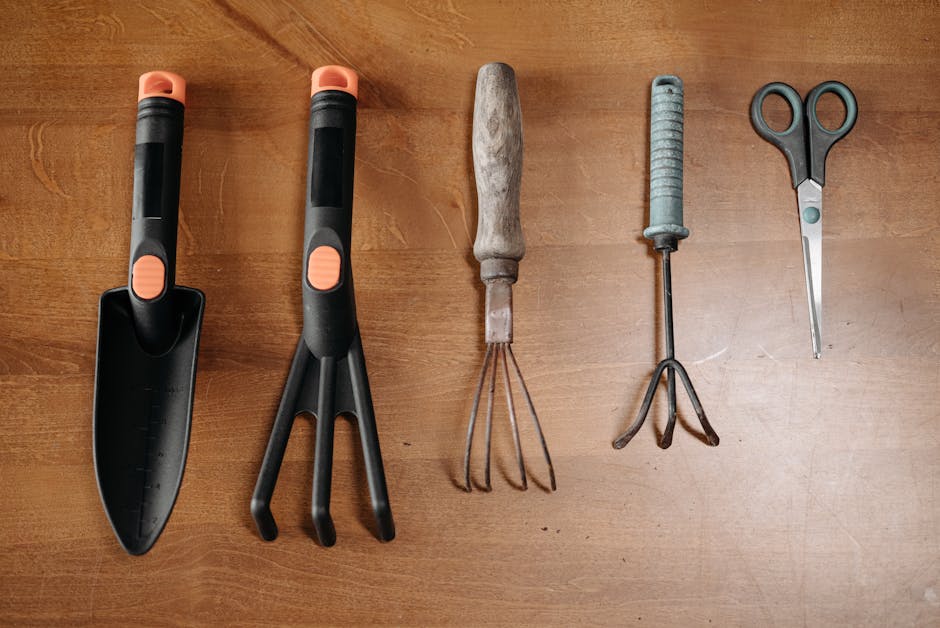
You do not need a shed full of specialist kit to keep a garden in good shape. A sensible core set of tools is usually enough:
- secure gloves
- sharp secateurs
- hedge shears or a hedge trimmer
- lawn mower
- spade and fork
- trowel
- watering can or hose with controlled flow
- rake and leaf collector
- wheelbarrow or garden sacks
For larger or more demanding jobs, professional support can save a lot of wear and tear. If hedges are getting out of hand, hedge trimming keeps growth neat and prevents the garden from becoming closed in. If trees are too large, leaning, or blocking light, tree lopping and removal may be part of the solution, though that kind of work should be handled carefully and safely.
And if the garden just needs consistent care through the year, garden maintenance is often the simplest option. It keeps things moving in the right direction without turning every visit into a major project. For people who want to understand the company behind the work, the about us page can also help set expectations.
Law, Compliance, Standards, or Best Practice
Gardeners in the UK should keep a few practical standards in mind, especially when work involves waste, noise, access, or higher-risk tasks. This is not about making gardening feel bureaucratic. It is about keeping things sensible and safe.
Best practice includes:
- disposing of green waste responsibly
- avoiding damage to shared boundaries, fences, or neighbouring property
- using suitable protective equipment for cutting, lifting, and lifting at height
- being careful with power tools, especially near children, pets, or uneven ground
- checking whether a tree or hedge may be subject to special protection before major work
If you are hiring help, it is reasonable to ask about insurance, safe working methods, and waste handling. A professional outfit should be happy to explain how they work. Documents such as insurance and safety and the health and safety policy show the kind of standards a careful business should think about, even if you never need to read every line.
Recycling and sensible disposal also matter. Grass cuttings, branches, and cleared plant matter can often be managed more responsibly than people expect. A thoughtful approach to green waste helps keep the job cleaner and the impact lighter. If that matters to you, recycling and sustainability is worth a look.
Options, Methods, or Comparison Table
Different gardens need different levels of care. Here's a simple comparison that may help you decide what approach fits best.
| Approach | Best for | Pros | Watch-outs |
|---|---|---|---|
| DIY upkeep | Small to medium gardens with manageable growth | Low cost, flexible, hands-on control | Easy to fall behind, can be time-consuming |
| Regular maintenance service | Busy households and gardens that need consistency | Reliable upkeep, tidier finish, less stress | Ongoing cost, needs clear expectations |
| Clearance then maintenance | Overgrown or neglected spaces | Fast reset, easier to manage afterwards | May feel disruptive at first, more intensive start |
| Landscape redesign | Gardens that no longer work as they are | Improves layout, usability, and long-term value | Higher planning effort, bigger initial investment |
To be fair, there is no single correct route. The best option depends on your garden's condition, your time, and how much you want to do yourself. A lot of people start with tidy-up work and then move into maintenance once the space is under control. That is a very normal progression.
Case Study or Real-World Example
Imagine a typical North Street garden: a modest back space with a tired lawn, a couple of borders full of mixed shrubs, and a hedge that has crept a bit too far over the path. Nothing dramatic. Just the sort of garden that quietly gets away from you over a few busy months.
The first step is usually clearance. Old leaves, dead stems, and loose waste go. Next, the hedge is trimmed back to restore light and definition. The lawn is cut properly, edges are sharpened, and the borders are weeded and mulched. The difference is immediate. You can see the shape of the garden again. The space feels bigger, lighter, and frankly much easier to enjoy.
Then comes the useful bit: keeping it that way. A short maintenance visit every few weeks, or a simple home routine if you're doing it yourself, stops the garden slipping back. The owner doesn't need a complete overhaul every season. Just consistent care. That's the real lesson. Not perfection. Momentum.
For gardens like this, combining a reset with ongoing support often works well, especially if you want to avoid the cycle of "let it get wild, cut it back hard, repeat." If the space also needs fresh structure, advice from broader pages like landscape gardening or even practical inspiration from the blog can help shape the next steps.
Practical Checklist
Use this quick checklist to keep your garden on track:
- Check sunlight, shade, and drainage in different parts of the garden
- Remove waste, dead growth, and obvious clutter first
- Cut lawns and edges regularly before they get unruly
- Trim hedges and shrubs with a clear shape in mind
- Water deeply but only when needed
- Feed plants according to season and soil conditions
- Mulch borders to reduce weeds and moisture loss
- Keep tools sharp, clean, and safe to use
- Inspect for pests, disease, and damage
- Review what needs professional help rather than trying to force every job yourself
Quick reality check: if you are never finishing the list, the garden is probably asking for a simpler routine, not a bigger one.
Conclusion
The best top tips for gardeners in North Street Sudbury are rarely complicated. Observe the garden properly, keep on top of the basics, and match your effort to the season and the space you actually have. That combination gives you the most reliable results without making garden care feel like a second job. Small, regular action really does go a long way.
If your garden needs a reset, a maintenance plan, or help with more demanding work like hedge cutting, clearance, or larger layout changes, it's worth choosing support that fits your space and your expectations. Done well, gardening should make life calmer, not busier. And there's a quiet satisfaction in seeing a space settle into itself, week by week.
Get a free quote today and see how much you can save.
For more background on the team and how services are delivered, you can also explore contact options if you are ready to take the next step.
Frequently Asked Questions
What are the most important gardening tasks for a home in North Street Sudbury?
The biggest priorities are usually lawn care, hedge trimming, weed control, border tidying, and keeping paths clear. Those jobs make the garden look cared for quickly and stop small issues from growing into bigger ones.
How often should I maintain my garden?
For many gardens, a weekly or fortnightly routine works well, with heavier seasonal jobs added in spring and autumn. The exact rhythm depends on plant growth, weather, and how much time you have.
Is it better to do garden clearance before maintenance?
Yes, if the space is overgrown or cluttered. A clear-out gives you a proper starting point, and maintenance becomes much easier once the excess growth and waste are gone.
How do I keep a small garden looking tidy without spending all weekend on it?
Focus on edges, lawns, and visible clutter first. Keep the planting scheme simple, mulch the borders, and trim little and often. Small gardens usually look best when they are calm rather than crowded.
What should I look for in a gardener or garden maintenance service?
Look for clear communication, sensible advice, safe working practices, and a service that understands what your garden actually needs. It helps if they can explain whether you need maintenance, clearance, pruning, or a bigger redesign.
Do I need professional help for hedge trimming?
Not always, but it can be sensible for tall, wide, or awkward hedges. If access is tricky or the hedge is close to boundaries, professional trimming is often safer and produces a neater finish.
What is the best time of year for major garden work?
Spring and autumn are often the best seasons for bigger garden jobs, though it depends on the task. Summer is usually more about watering and upkeep, while winter is better for careful structural work and planning.
How can I make my garden easier to maintain long term?
Choose plants that suit the soil and light levels, keep borders mulched, avoid overcomplicated layouts, and establish a simple routine. The easier the design is to care for, the more likely it is to stay in good shape.
Are there safety issues I should consider with larger garden jobs?
Yes. Tree work, heavy lifting, power tools, and work at height all need careful handling. It's wise to use proper equipment and ask about insurance and safe working methods if you are hiring help.
Can garden waste be recycled or reused?
Often, yes. Many green materials can be composted, recycled, or managed responsibly depending on the type of waste and how much you have. A sustainability-minded approach is usually better for both the garden and the environment.
What if my garden has poor drainage or stubborn damp areas?
That's a common issue, especially in shaded or compacted spots. The answer may involve soil improvement, better planting choices, or reworking the ground so water can move more freely. It is worth assessing before simply adding more plants.
Where can I learn more about services and support?
You can review the available service pages, read more on the blog, or contact the team directly if you want help deciding what fits your garden best. Sometimes a quick conversation saves a lot of guesswork.
Gardening is one of those jobs where steady care quietly pays you back. Keep it simple, keep it regular, and the garden will usually meet you halfway.